What a move in the January transfer window is really like for a player
Nedum Onuoha explains what life was like for him at Manchester City when Roberto Mancini no longer wanted him at the club. (2:03)

Nedum Onuoha played 14 seasons in the Premier League with Manchester City, Sunderland and Queens Park Rangers before finishing his career with MLS side Real Salt Lake. He joined ESPN in 2020, appearing on ESPN FC, and has since featured as ESPN’s lead studio pundit in England. His columns offer his perspective on the big issues of the day.
The final days of a transfer window are no fun for a professional footballer. When you know that you might be changing clubs, those days and hours are full of uncertainty, confusion, selfishness and, in some cases, betrayal. Your whole world can be turned upside down on the whim of a manager or director, but that’s the harsh reality of the business of football.
On transfer deadline day in August 2011, I expected to leave Manchester City so I emptied my locker at the training ground, put my boots into a bin bag, shook hands with teammates and staff, and said my final goodbyes. These were tough goodbyes because I had been at the club since I joined as 10-year-old, 15 years earlier.
But no deal materialized and I was back at City the next day, saying hello to everybody again. I knew that my prospects of playing for the first team were going to be limited, and that I might be in the same situation six months later when the January window opened.
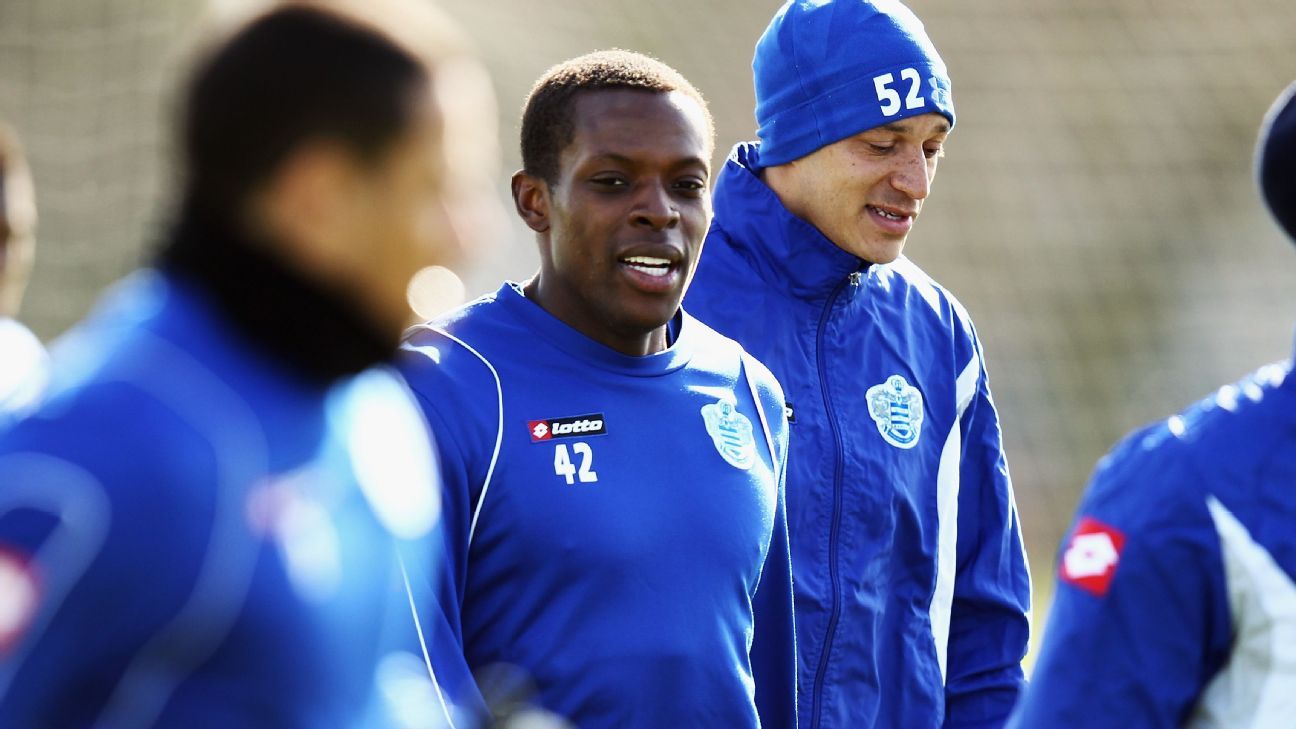
And so it proved. When January came around, Queens Park Rangers came in for me late in the window. They had changed their manager since August — Neil Warnock had been replaced by my old City boss Mark Hughes — and they wanted me to try to help them avoid relegation from the Premier League. I wasn’t totally convinced by the move. But, as I have mentioned in this column previously, I was very much out of the first-team picture at City under Roberto Mancini so I needed to play.
My wife and I were based in Manchester and I had heard there was also interest from Everton, which to me felt like it would have been a much better option from both a football and geographical perspective. But I was told that City had agreed a deal with QPR and that was it — nothing more to be said. So now I had to travel down to London for a medical. I picked up my washbag, left the training ground and had to get a train 200 miles south.
Did I have a choice? Not really. Transfers are all about who has the leverage, and I had very little. I wasn’t playing, but I felt a move was a necessity for me and if Everton wasn’t going to be an option that worked for City, I would have to go to QPR.
So I had my medical, signed a contract, trained on the Thursday and was in the squad for the Saturday in an FA Cup tie against Chelsea, QPR’s biggest rivals, despite still not knowing the names of some of my teammates.
I’d gone from the life I knew to a completely new one in the space of 2-3 days.
Once the transfer was done, I had to hit the ground running, even though I hadn’t played for months. There’s no time to adapt. You’re a new guy in the dressing room, the team is near the bottom of the table and it’s a tense atmosphere because of the situation you’re in, losing most weeks, and you’ve been brought in to help make things better.
I saw so many fights between teammates as tempers flared up. There was one occasion when two experienced players had a punch-up on the pitch at the stadium because they had a different perspective on what was good for the team, and themselves as individuals. One was a new signing and the other had been there prior to the transfer window, so that underlined the challenges of existing players and new signings having to gel quickly. Sometimes they just don’t.
That’s the football side of moving to a team in midseason, but there’s also an impact off the pitch. I, like others, signed a contract with a relegation clause, so if QPR went down, I knew I would likely move again in the summer. But at the same time, you want to settle quickly into a new area rather than spend 4-5 months basically splitting your time between the training ground and a hotel.
So I signed a short-term lease on a house, not knowing if I’d be gone in the summer. We had been married less than a year, but my wife traveled down with me and that was a big help. I was 25 at the time with no kids, so that made it so much easier.
I now have three kids and I couldn’t imagine making such a disruptive move had they been around and in school, but that’s a problem that many players, especially the older ones, must overcome.
It is something that influenced my decisions when moving clubs later in my career. I was 31 when I had the opportunity to move to the United States for a new experience in MLS, but I had a young family by this stage and that was a significant factor.
I had just left QPR at the end of my contract after 6½ years at the club; they had offered me a contract that they knew I couldn’t sign. It was a huge pay cut, offering me a fraction of my previous salary, and I had just been voted the Players’ Player of the Season as captain, so it was a shock. This felt like a betrayal and I knew I had to find something else.
The Player’s Perspective: Read more of Nedum Onuoha’s columns
– Why Kompany is well placed to succeed Guardiola as City boss
– Why clubs shouldn’t freeze players out, like Chelsea with Sterling
It was the summer window, midway through the 2018 MLS season, and I had two offers — one from LAFC, and another from Real Salt Lake. LAFC told me it would give me a deal for 2019 if things went well during the remainder of the 2018 season. But Salt Lake offered me a contract until the end of the 2018 season with the guarantee of a further year and an option to extend for 2020 — so basically a 2½-year deal.
Most people would say that a choice between Salt Lake and Los Angeles is a no-brainer because of everything that LA and California has to offer, but I think I became the first player to reject LAFC because I wanted the certainty and stability that came with Real Salt Lake’s offer. On that occasion, I was the one with the leverage. I was able to make a decision that suited me and my family, rather than be forced into a move that suited a club and their self-serving reasons.
The goal was to have 2½ years in the U.S. and then return to the U.K. and that’s how it turned out. I loved my time in Utah and I was fortunate that the leverage was in my favor when I had to make the move.
But a lot of footballers don’t have that luxury of being able to plan for the long-term. I have been in that position, when you don’t know from one day to the next who you will be playing for and where you will live, and that’s not a great place to be.
Sorry to shatter any illusions, but only the very top players get to decide how their career plays out.
Nedum Onuoha was speaking to ESPN senior writer Mark Ogden
Leave a Reply